dpDMC (N-Dipropyl-Dimethocaine)
€ 16,88
dpDMC (N-Dipropyl-Dimethocaine) is an aminobenzoate research chemical presented by Raw Lab Chems with seller-specified ≥98% purity. The material is intended exclusively for controlled laboratory, chemical, and analytical research.
For research use only. Not for human or veterinary use. Not for clinical, diagnostic, or consumptive applications.
Product Overview
dpDMC, also identified as N-Dipropyl-Dimethocaine, is a research chemical structurally related to dimethocaine and intended for controlled laboratory and analytical investigation. Raw Lab Chems presents the material as a generic, brandless research compound with a seller-specified purity of ≥98%.
The supplied systematic name is 3-(dipropylamino)-2,2-dimethylpropyl 4-aminobenzoate. The compound can be considered within the aminobenzoate ester family on the basis of this supplied chemical structure and nomenclature.
Researchers should distinguish dpDMC from dimethocaine (DMC). Although their names and structures are related, they represent distinct chemical identities and should not be treated as interchangeable materials in analytical records, databases, or experimental documentation.
The Raw Lab Chems dpDMC research reference provides the catalog context for this material. Its presentation here is limited to research identification, analytical considerations, laboratory handling, and associated documentation.
Chemical Identity & Classification
The supplied IUPAC name for dpDMC is 3-(dipropylamino)-2,2-dimethylpropyl 4-aminobenzoate. Supplied synonyms include dpDMC, DPDMC, and N-Dipropyl-Dimethocaine.
No CAS number was supplied for the material. Similarly, the source information does not provide a molecular formula or molecular mass. These values should not be inferred solely from the product name when preparing a formal product specification.
The source heading refers to “dpDMC HCl,” while the supplied IUPAC name describes the underlying compound without explicitly identifying a hydrochloride salt. Without additional documentation confirming the precise chemical form, this listing does not assign an HCl-specific formula, molecular mass, or CAS number.
This distinction is important because free-base and salt forms can have different molecular formulas, molecular weights, physical properties, and analytical characteristics.
Researchers may consult PubChem and other appropriate chemical references when investigating possible database records, but any record should be matched to the exact chemical identity and form of the material being studied.
Chemical & Physical Characteristics
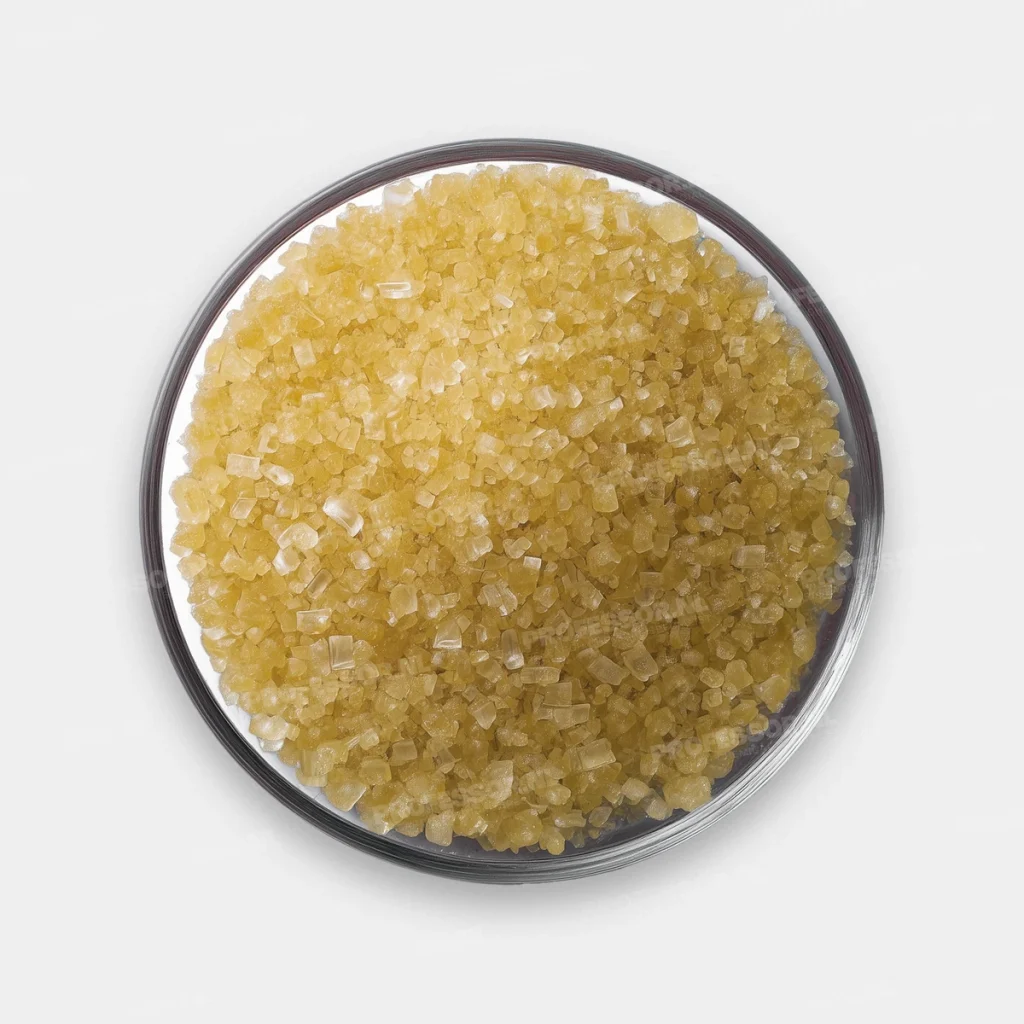
No verified physical form, color, appearance, melting characteristics, solubility profile, or other physical-property information was supplied for dpDMC. These characteristics are therefore not inferred from dimethocaine or from other structurally related aminobenzoate compounds.
The source states that the material can remain stable for up to two years when stored in the correct environment. However, no specific temperature, humidity, atmosphere, light conditions, container requirements, or supporting stability data were supplied.
Consequently, the two-year statement should not be interpreted as a validated shelf-life guarantee for a particular Raw Lab Chems batch.
Physical characteristics can also vary with chemical form. Establishing whether a research material is a free base, hydrochloride salt, or another form is therefore important before applying reference data concerning properties or analytical behavior.
Purity & Analytical Verification
The supplied specification states >98% purity. Raw Lab Chems presents this conservatively as a seller-provided ≥98% purity specification.
The purity value is not represented as independently certified or third-party verified. No batch-specific analytical report was supplied with the information used to prepare this research description.
Professional laboratories may use chromatographic, spectroscopic, and mass-spectrometric techniques to investigate research compounds. Potential approaches can include HPLC, GC, LC-MS, GC-MS, and NMR where appropriate to the analytical objective and validated methodology.
These methods are mentioned only as general analytical context. No claim is made that this particular dpDMC material has undergone any specific instrumental analysis.
Researchers requiring quantitatively established purity or identity should rely on appropriate batch-specific analytical documentation rather than the catalog description alone.
Quality Control & Batch Integrity
Research involving less extensively characterized compounds benefits from careful documentation of material identity, source records, lot information, storage history, and analytical observations.
These practices help laboratories distinguish between different materials and avoid transferring specifications from a related compound to dpDMC without supporting evidence.
No verified information was supplied concerning Raw Lab Chems manufacturing controls, lot numbering, batch traceability, independent testing, third-party certification, or Certificate of Analysis availability for this material. These characteristics are therefore not claimed.
Researchers requiring particular quality-control standards should determine whether documentation associated with the specific material satisfies their laboratory protocols.
Safety, Handling & Laboratory Precautions
dpDMC should be handled only by appropriately trained personnel in a controlled laboratory environment. Suitable personal protective equipment, containment, ventilation, and work practices should be determined through an institutional risk assessment and applicable safety documentation.
The supplied information identifies possible respiratory irritation and eye irritation and states that uncontrolled environmental discharge should be avoided. These statements do not constitute a complete hazard classification.
Researchers should consult an applicable Safety Data Sheet for the exact material and chemical form before beginning laboratory work. SDS information and institutional procedures should guide accidental-exposure response, spill management, environmental precautions, and disposal.
Laboratory research chemicals should be kept securely away from children, pets, food, beverages, and unauthorized personnel.
Packaging, Labeling & Storage
No verified container type, packaging material, seal configuration, label format, or specialized packaging characteristics were supplied for Raw Lab Chems dpDMC.
No specific validated storage temperature was provided either. The general source statement concerning stability under a “correct environment” does not establish what environmental conditions are required.
Researchers should therefore follow the applicable product documentation or SDS and their institutional chemical-storage procedures. Appropriate records of storage conditions can be particularly valuable when material stability could affect analytical results.
Because the exact salt status remains unresolved from the supplied information, storage characteristics established for another form of the compound should not automatically be assigned to this material.
Intended Research Use & Market Positioning
dpDMC is presented exclusively for laboratory and analytical research. Relevant research contexts may include chemical identification, structural characterization, comparative analytical chemistry, development of instrumental methods, and investigation of structure-property relationships where such work is appropriately authorized.
Its structural relationship to dimethocaine may make comparative chemical characterization relevant. Researchers can review the separate Raw Lab Chems references for DMC (Dimethocaine) and DMC Powder when cataloging related materials.
These links describe separate products. Structural similarity should not be interpreted as evidence that dpDMC and dimethocaine share identical physical properties, analytical characteristics, biological activity, hazards, or regulatory treatment.
No medical, therapeutic, diagnostic, veterinary, cosmetic, recreational, performance-enhancing, or consumptive application is represented by this research listing.
Ordering, Availability & Fulfillment
Laboratory procurement of dpDMC should begin with confirmation of the precise chemical form, institutional requirements, analytical documentation needs, and applicable jurisdictional restrictions.
No verified Raw Lab Chems information was supplied concerning current inventory, dispatch schedules, delivery times, shipping destinations, tracking, payment methods, or specialized fulfillment arrangements.
The source statement concerning shipment within 24 hours originated from another vendor and is therefore not presented as a Raw Lab Chems commitment.
Researchers and institutions should independently establish whether acquisition, possession, import, export, transfer, storage, and investigation of dpDMC are permitted and appropriately authorized before procurement.
Legal & Regulatory Disclaimer
For research use only. Not for human or veterinary use. Not for clinical, diagnostic, or consumptive applications.
The regulatory status of dpDMC may vary between jurisdictions, particularly where analogue, controlled-substance, novel-psychoactive-substance, medicines, or other chemical-control frameworks apply.
Researchers and institutions are responsible for determining and complying with all applicable requirements governing acquisition, possession, import, export, transfer, storage, security, research, and disposal.
A research-use designation does not establish universal legality and does not supersede applicable legislation, licensing requirements, institutional policies, or other regulatory obligations.
You must be logged in to post a review.
Related products
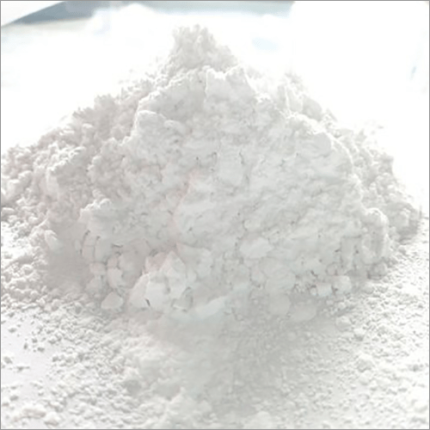
3-CMC Crystal Powder
Price range: € 23,00 through € 33.000,00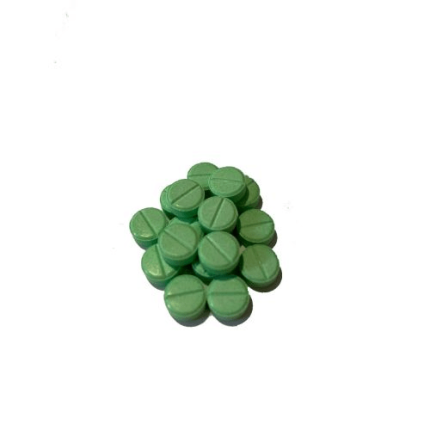
3-CMC Pellets – 220mg
Price range: € 19,45 through € 945,00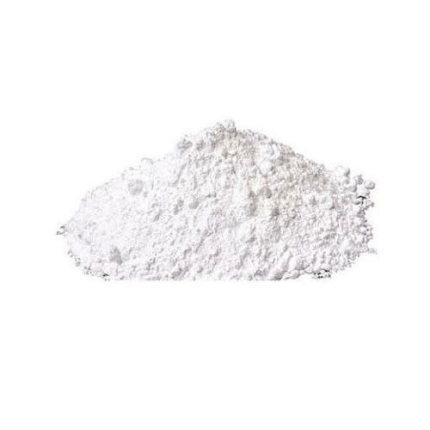
3-CMC Powder
Price range: € 54,75 through € 3.500,00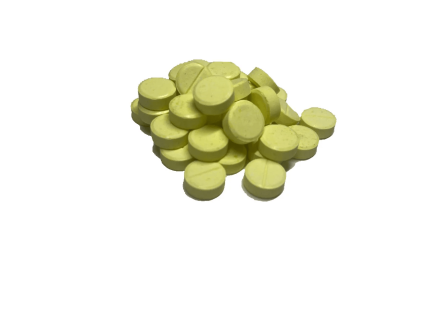
4-FMA Pellets – 150mg
Price range: € 16,20 through € 800,00
4F-MPH Pellets – 30mg
Price range: € 46,25 through € 2.250,00
Buy 2-FMA Powder
Price range: € 55,00 through € 1.625,00
Buy 3-CMC Pellets – 180mg
Price range: € 16,00 through € 750,00
Reviews
There are no reviews yet.