
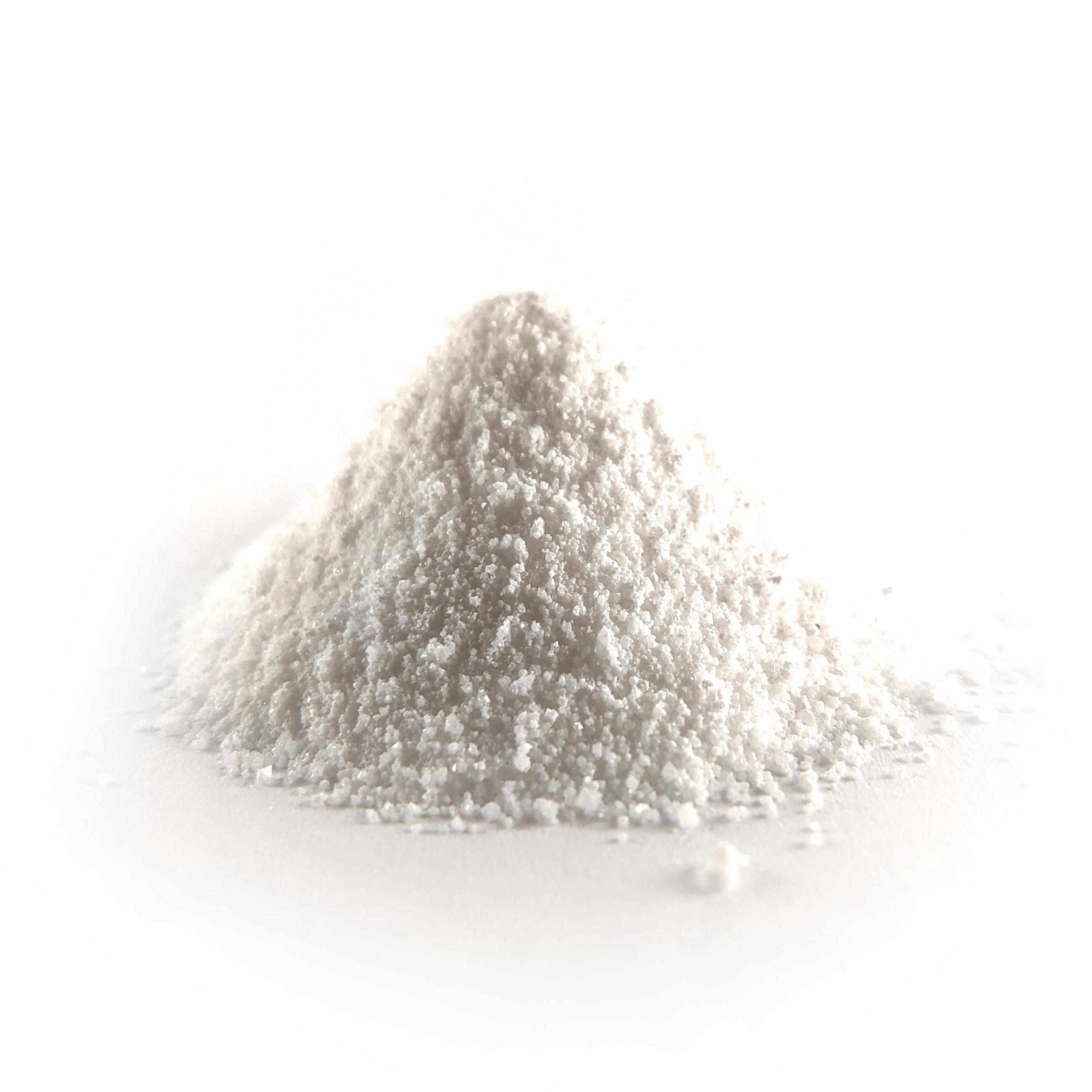
3-HO-PCE Powder
€ 35,00
3-HO-PCE Powder is described as a laboratory research material associated with 3-hydroxyeticyclidine, a synthetic hydroxy-substituted arylcyclohexylamine structurally related to eticyclidine (PCE) and phencyclidine (PCP).
Raw Lab Chems identifies this material exclusively for controlled chemical identification, chromatographic characterization, spectroscopic investigation, and analytical reference comparisons involving arylcyclohexylamine derivatives.
The supplied information includes claims concerning purity, independent testing, controlled synthesis, and packaging. These specifications require supporting batch-specific documentation before they can be considered verified.
For research use only. Not for human or veterinary use. Not for clinical, diagnostic, or consumptive applications.
3-HO-PCE Powder – 3-Hydroxyeticyclidine Research Material
Product Overview
3-HO-PCE Powder is described in the supplied information as a laboratory research material associated with 3-hydroxyeticyclidine, a synthetic compound belonging to the arylcyclohexylamine family.
The compound is structurally related to eticyclidine, commonly abbreviated PCE, and phencyclidine, commonly abbreviated PCP.
Its proposed molecular identity provides a basis for analytical investigations involving structural comparison, chromatographic behavior, and spectroscopic characterization.
Raw Lab Chems presents the material exclusively within a Research Use Only framework.
The supplied source describes a powder preparation intended for controlled laboratory examination.
However, the stated physical presentation does not independently establish the actual chemical identity, purity, crystalline structure, or composition of the material.
The source also characterizes the preparation as high quality and refers to independent analytical verification and controlled synthesis.
These descriptions remain source-provided claims until supported by documentation associated with the actual batch.
No clinical, therapeutic, diagnostic, dietary, or consumer-oriented application is represented by this description.
Chemical Identity & Classification
3-HO-PCE is identified in the supplied source as 3-hydroxyeticyclidine.
The compound is described as a hydroxy-substituted derivative of eticyclidine within the arylcyclohexylamine family.
Its proposed structure is distinguished from the parent compound by a hydroxy substituent on the aromatic ring.
The supplied source provides the following chemical-reference information:
- Chemical name: 3-Hydroxyeticyclidine
- Common abbreviation: 3-HO-PCE
- Chemical classification: Hydroxy-substituted arylcyclohexylamine derivative
- Reported molecular formula: C14H21NO
- Reported molecular weight: 219.33 g/mol
These identifiers are reproduced from the supplied information and do not independently verify the composition of the actual product.
The reported molecular formula and molecular weight are arithmetically consistent with one another.
However, this consistency does not establish that the actual material has been independently identified or that its precise chemical form is confirmed.
No CAS Registry Number was supplied.
The source also does not establish whether the preparation is the freebase or a particular salt form.
This distinction matters because chemical form can affect molecular weight, solubility, and other analytical characteristics.
Researchers seeking public chemical-reference information may consult PubChem and confirm that any selected database entry corresponds to the intended compound and chemical form.
Chemical & Physical Characteristics
The supplied product is described as a powder.
No product-specific physical inspection record, microscopy report, diffraction dataset, or other evidence was provided to establish its actual appearance or crystalline state.
The stated physical form therefore remains a source-provided description.
The proposed hydroxy-substituted arylcyclohexylamine structure provides a framework for comparing chemical characteristics with those of related PCE and PCP derivatives.
However, structural similarity does not establish identical physical properties, analytical behavior, stability, or impurity profiles.
The source references chromatographic separation and spectroscopic characterization as areas of laboratory investigation.
No verified melting point, quantitative solubility profile, particle-size distribution, crystalline polymorph, density, or hygroscopicity measurement was supplied.
These characteristics should not be inferred from the compound name or chemical family.
The source recommends storage in a cool, dry place away from direct sunlight.
No validated stability study, degradation profile, or experimentally established shelf-life specification accompanied this recommendation.
Researchers should distinguish general storage guidance from verified stability data associated with a particular batch.
Purity & Analytical Verification
The supplied description characterizes the material as high purity and laboratory grade.
However, no numerical purity threshold, actual batch-specific Certificate of Analysis, chromatogram, mass spectrum, NMR spectrum, or independent laboratory report was provided.
Accordingly, no particular purity percentage is independently confirmed for the material described here.
The source refers to third-party testing and chemical characterization but does not supply supporting analytical records.
HPLC, GC-MS, LC-MS, and NMR spectroscopy are relevant analytical techniques for the investigation of arylcyclohexylamine compounds.
Such methods may provide information concerning chemical identity, structural characteristics, impurity profiles, and analytical specificity.
However, naming an analytical technique does not establish that it was performed on the actual product.
The source also references forensic chemical identification and analytical investigation of structurally related compounds.
These references describe possible analytical research contexts rather than validated performance characteristics of the supplied material.
Any reported purity or identity result should be evaluated against the actual sample, method documentation, reference materials, and relevant analytical limitations.
No certified reference-material status or independently established purity specification is asserted.
Quality Control & Batch Integrity
The supplied source claims that individual batches undergo third-party testing to verify chemical content and assess potential contaminants.
It also describes controlled synthesis intended to support consistency and reliability.
No actual certificate, laboratory accreditation record, manufacturing audit, quality-system documentation, or batch-specific testing report accompanied these statements.
They therefore remain unverified source claims.
For reproducible laboratory investigation, useful documentation may include supplier identification, batch number, chemical identifier, receipt date, storage history, and available analytical findings.
Where a material is described as suitable for reference-standard work, researchers should distinguish ordinary catalog material from a certified reference material.
The supplied information does not establish certified reference-material status, metrological traceability, or an assigned measurement uncertainty.
Likewise, the description does not independently demonstrate compliance with a particular quality-management certification.
Claims of consistent purity, identity, or manufacturing quality should be supported by actual analytical records rather than inferred from promotional terminology.
Safety, Handling & Laboratory Precautions
3-Hydroxyeticyclidine is described as a phencyclidine-related arylcyclohexylamine derivative requiring appropriate institutional risk assessment and controlled laboratory handling.
Research personnel should consult applicable chemical-safety documentation and institutional procedures before receiving or examining the material.
Laboratory precautions should address access restrictions, protective equipment, contamination prevention, accidental exposure, environmental release, and chemical-waste disposal.
The compound’s structural relationship to PCE and PCP does not establish safety for human or veterinary exposure.
The material should remain secured against unauthorized access and separated from food, beverages, and non-research environments.
Because the actual purity and chemical form have not been independently confirmed, laboratory documentation should distinguish verified characteristics from source-provided statements.
The powder presentation must not be interpreted as evidence of pharmaceutical suitability or authorization for personal use.
Any accidental exposure or contamination incident should be managed according to institutional emergency procedures.
Packaging, Labeling & Storage
The supplied source describes packaging in different quantities and recommends standard laboratory safety precautions.
No packaging-validation study, verified container specification, or actual shipment-condition record accompanied these statements.
The source recommends cool, dry storage protected from direct sunlight.
No validated stability data was provided to establish a particular storage temperature or product-specific shelf life.
The source does not establish a verified temperature-controlled transportation requirement.
Laboratory inventory records should preserve the compound name, any available batch identifier, receipt details, and relevant storage observations.
Where chemical form remains uncertain, the inventory record should preserve that uncertainty rather than assign an unverified salt designation.
Packaging and environmental requirements should be assessed using available safety documentation, relevant stability evidence, and institutional laboratory procedures.
Intended Research Use & Market Positioning
The supplied scientific context places 3-HO-PCE within research involving arylcyclohexylamine derivatives, chemical characterization, structural comparison, and forensic identification.
Its proposed hydroxy-substituted structure provides a basis for examining distinctions among related PCE and PCP derivatives.
The source also references chromatographic separation, spectroscopic characterization, and analytical investigations involving molecular structure.
These references describe laboratory research contexts and do not establish any human-use application.
For comparative chemical-catalog research, Raw Lab Chems also lists MXPCP and 3-HO-PCP Powder.
These listings identify other named arylcyclohexylamine research materials but do not establish equivalent chemical identity, purity, formulation, or analytical characteristics.
The supplied 3-HO-PCE Powder catalog reference identifies the product presentation discussed here.
These references provide chemical-catalog context rather than evidence of certified reference-material status or interchangeability.
Ordering, Availability & Fulfillment
The supplied source references availability in different quantities but does not provide verified inventory information or batch-specific fulfillment details.
No current stock confirmation, carrier record, destination-specific authorization, or verified shipment-performance documentation was provided.
Consequently, no specific availability, delivery, customs-clearance, or transportation-compliance guarantee is asserted.
Phencyclidine-related arylcyclohexylamines may be subject to controlled-substance or analog legislation.
Institutional acquisition and transfer should therefore be assessed against the applicable laws governing the exact substance and chemical form involved.
Researchers and institutions should independently verify whether possession, importation, exportation, transportation, and laboratory investigation are authorized in their jurisdictions.
Research-only labeling does not establish an exemption from controlled-substance regulations.
Legal & Regulatory Disclaimer
For research use only. Not for human or veterinary use. Not for clinical, diagnostic, or consumptive applications.
3-HO-PCE is described as a hydroxy-substituted arylcyclohexylamine derivative whose legal classification may vary by jurisdiction.
Acquisition, possession, transfer, importation, exportation, storage, and laboratory investigation may be restricted or prohibited under applicable controlled-substance, analog, or other chemical regulations.
Researchers and institutions remain responsible for determining legal requirements and obtaining any necessary authorizations.
No medical approval, consumer-use authorization, universal legal status, or regulatory exemption is implied by this description.
You must be logged in to post a review.
Related products
3-Me-PCPy Powder
Price range: € 60,00 through € 125,00
DeschcloroKetamine (DCK) Pellets – 20mg
Price range: € 19,75 through € 537,50
HXE Powder
Price range: € 54,00 through € 340,00
MXiPr Powder
€ 50,00
MXP (Methoxphenidine) Crystal
Price range: € 22,00 through € 80,00
O-PCE Crystal
Price range: € 48,00 through € 1.900,00
Reviews
There are no reviews yet.