DMC (Dimethocaine)
€ 18,00
Dimethocaine (DMC), also known as Larocaine, is a synthetic benzoate ester compound presented by Raw Lab Chems with seller-specified ≥98% purity for laboratory and analytical research. Researchers should distinguish carefully between the base and hydrochloride forms when recording chemical identifiers and specifications.
For research use only. Not for human or veterinary use. Not for clinical, diagnostic, or consumptive applications.
DMC (Dimethocaine)
Product Overview
Dimethocaine, commonly abbreviated as DMC and also known as Larocaine, is a synthetic benzoate ester compound encountered in chemical, analytical, forensic, and pharmacological research literature. Raw Lab Chems presents DMC as a generic, brandless research material with seller-specified ≥98% purity exclusively for laboratory and analytical investigation.
Dimethocaine has been investigated scientifically because of its structural and pharmacological relationship to compounds with local-anesthetic and monoamine-transporter activity. These research observations provide scientific context but do not establish any medical, therapeutic, veterinary, or consumptive application for the material described here.
Researchers should distinguish between dimethocaine base and dimethocaine hydrochloride when consulting chemical databases and analytical records. Salt formation changes molecular composition and associated identifiers, so information for one form should not automatically be assigned to another.
Chemical Identity & Classification
The supplied IUPAC name for dimethocaine is 3-(diethylamino)-2,2-dimethylpropyl 4-aminobenzoate. Common names include DMC, Larocaine, and 3-diethylamino-2,2-dimethylpropyl p-aminobenzoate.
The supplied information identifies CAS 94-15-5 for dimethocaine base and CAS 553-63-9 for the hydrochloride form. The supplied molecular formula C16H26N2O2 and molecular weight of approximately 278.39 g/mol describe dimethocaine base.
The supplied SMILES notation is CCN(CC)CC(C)(C)COC(=O)c1ccc(N)cc1.
Dimethocaine belongs to the aminobenzoate ester class. Researchers working with chemical identifiers should document whether the material being investigated is the free base, hydrochloride, or another defined form rather than using the general DMC name alone.
For broader chemical-reference work, laboratories can consult PubChem and ensure that any database record selected corresponds to the exact chemical form under investigation.
Chemical & Physical Characteristics
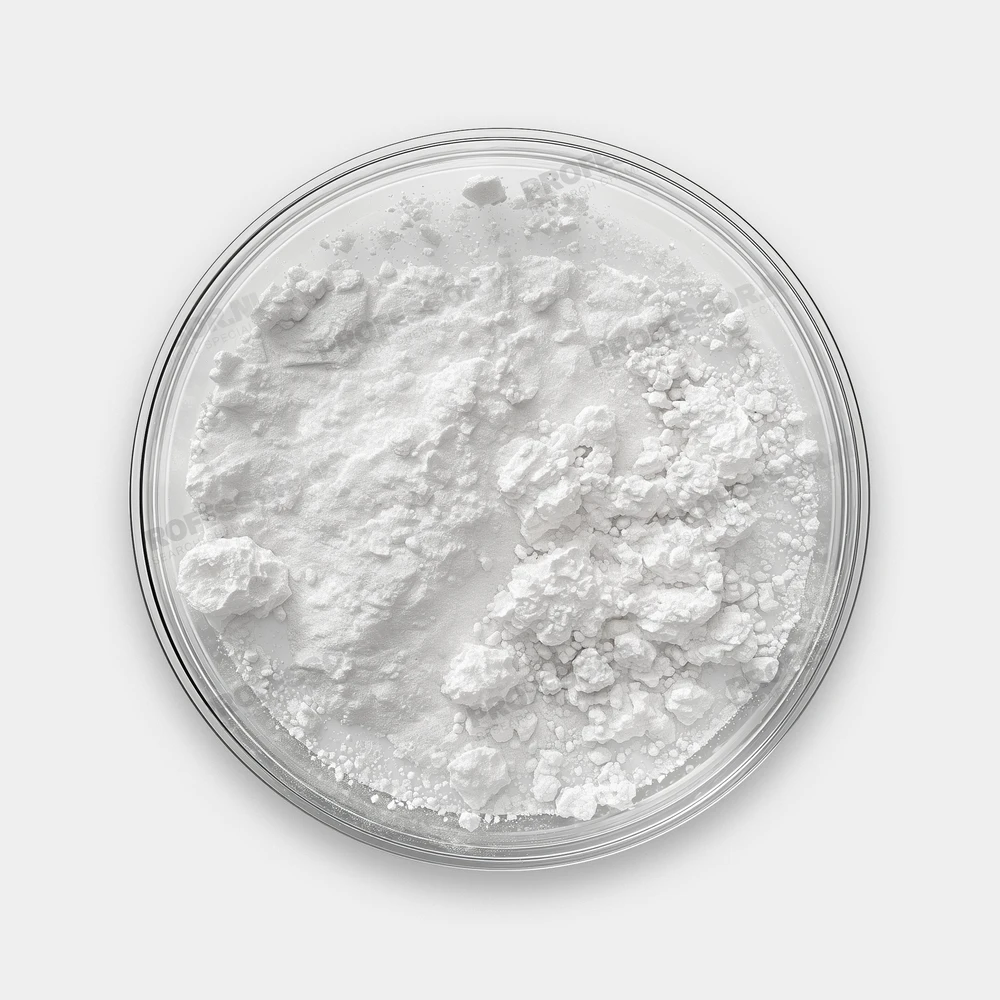
The supplied source describes dimethocaine as a white crystalline powder. Because product-specific physical documentation for the Raw Lab Chems material was not independently supplied, this description should be treated as source information rather than a batch-specific visual specification.
The source also provides solubility information involving DMSO, DMF, ethanol, and phosphate-buffered aqueous media. Exact solubility values can depend on chemical form, temperature, concentration, solvent composition, and experimental methodology.
Researchers should therefore consult documentation applicable to the exact material before relying on quantitative solubility values in an analytical protocol.
The physical characteristics of dimethocaine base should not automatically be assigned to dimethocaine hydrochloride. Chemical form should be established first when physical-property data are being compiled or compared.
Purity & Analytical Verification
Raw Lab Chems presents Dimethocaine with a seller-provided ≥98% purity specification. This figure should not be interpreted as an assertion of independent certification or third-party verification.
Chromatographic, spectroscopic, and mass-spectrometric techniques may be used in professional laboratories to investigate the identity, purity, or composition of dimethocaine. Selection of an appropriate analytical method depends on the research objective, chemical form, sample matrix, available instrumentation, and validated laboratory procedure.
No Raw Lab Chems batch-specific HPLC, GC, LC-MS, GC-MS, NMR, or comparable analytical report was provided with the information used for this description. Accordingly, no specific analytical technique is claimed to have verified this material.
The source content claims availability of analytical documentation and a Certificate of Analysis from another supplier. That information does not establish COA availability for Raw Lab Chems and is therefore not attributed to this material.
Quality Control & Batch Integrity
Material identity, lot documentation, analytical records, storage history, and traceability can be important components of research-chemical management. These records help laboratories associate analytical observations with the specific material examined.
Researchers conducting comparative or repeat analytical studies may require documented consistency between materials. Such requirements should be established through appropriate analytical evidence and laboratory quality procedures rather than assumed from a product description.
No confirmed Raw Lab Chems information was supplied regarding manufacturing controls, lot numbering, batch traceability, independent testing, third-party certification, or lot-to-lot consistency for dimethocaine.
Researchers requiring particular quality-control documentation should determine whether the records available for the specific material satisfy their institutional and analytical requirements.
Safety, Handling & Laboratory Precautions
Dimethocaine should be handled by appropriately trained laboratory personnel using suitable chemical-safety practices. Appropriate PPE, containment, ventilation, and work-area controls should be selected according to an institutional risk assessment and the applicable Safety Data Sheet.
Researchers should avoid assuming that the pharmacological information available in scientific literature constitutes adequate laboratory safety information. Hazard assessment should instead rely on appropriate chemical-safety documentation for the exact form and material being handled.
Access to research materials should be appropriately controlled. Laboratory chemicals should be kept away from children, pets, food, beverages, and unauthorized personnel.
Researchers should consult applicable SDS information and institutional procedures for accidental exposure, spill response, environmental release, chemical waste, and disposal requirements. No unsupported hazard classification is assigned here.
Packaging, Labeling & Storage
No verified Raw Lab Chems packaging format, container construction, seal configuration, labeling specification, or packaging performance information was supplied for dimethocaine. Claims from another supplier concerning double-sealed or discreet packaging are therefore not attributed to Raw Lab Chems.
The supplied source recommends dry, dark, temperature-controlled storage and provides different temperatures for short- and long-term conditions. However, these conditions were not established through product-specific Raw Lab Chems documentation.
Accordingly, researchers should consult the applicable product label or SDS for storage requirements relevant to the exact material rather than treating third-party vendor information as a validated Raw Lab Chems storage specification.
Where chemical stability is important to analytical work, storage conditions and storage history should form part of laboratory material documentation.
Intended Research Use & Market Positioning
Dimethocaine has appeared in scientific literature concerning analytical chemistry, forensic toxicology, transporter pharmacology, metabolism, and comparative pharmacological research. These contexts can make its chemical identification and analytical characterization relevant to appropriately authorized laboratories.
Analytical research can include establishing chemical identity, developing instrumental detection methods, examining physicochemical properties, and differentiating dimethocaine from structurally related substances. Pharmacological literature may also be relevant when researchers are studying previously reported molecular interactions under appropriately approved protocols.
Researchers examining structurally related catalog materials may encounter Raw Lab Chems references for DPDMC / N-Dipropyl Dimethocaine, Meprylcaine HCl, and DMP / Dimethopropylin. Each represents a distinct material and should be characterized according to its own chemical identity.
Nothing in this research description represents dimethocaine as suitable for human, veterinary, diagnostic, therapeutic, cosmetic, recreational, or other consumptive applications.
Ordering, Availability & Fulfillment
Laboratory procurement of dimethocaine should be based on the precise chemical form required, available analytical documentation, institutional authorization, and applicable jurisdictional requirements.
The supplied source contained inventory, shipping, payment, cold-chain, tracking, and fulfillment claims belonging to another supplier. Those claims do not establish corresponding Raw Lab Chems policies and are not reproduced here.
No Raw Lab Chems stock status, delivery schedule, international coverage, payment method, tracking service, specialized packaging, or dispatch commitment has been confirmed from the information supplied.
Institutional purchasers and researchers should independently determine whether procurement, possession, import, export, storage, and investigation of the material are permitted and appropriately authorized.
Legal & Regulatory Disclaimer
For research use only. Not for human or veterinary use. Not for clinical, diagnostic, or consumptive applications.
Regulatory treatment of dimethocaine may differ between jurisdictions and can depend on controlled-substance, analogue, psychoactive-substance, medicines, importation, or other applicable regulatory frameworks.
Researchers and institutional purchasers are responsible for confirming and complying with requirements governing acquisition, possession, import, export, transfer, storage, security, research, and disposal in their jurisdiction.
A research-use designation does not establish universal legality, create authorization to possess a restricted substance, or override applicable laws, licensing requirements, or institutional policies.
You must be logged in to post a review.
Related products
2-MMC Pellets – 180mg
Price range: € 16,00 through € 750,00
3-CEC Crystal
Price range: € 21,00 through € 1.300,00
3-CMC Pellets – 220mg
Price range: € 19,45 through € 945,00
3-MEC Powder
Price range: € 19,00 through € 625,00
3F-a-PVP Crystal
Price range: € 43,90 through € 179,50
4F-MPH Powder
Price range: € 20,00 through € 1.000,00
a-PiHP Crystal Chunks
Price range: € 25,90 through € 3.600,00
Reviews
There are no reviews yet.