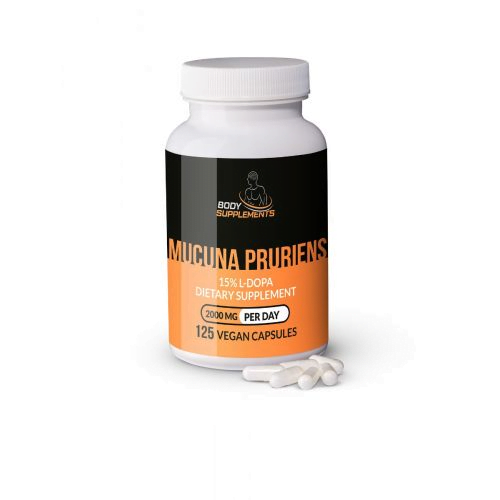
body supplements Mucuna Pruriens Vega Caps 400mg (125 pieces)
€ 34,95
Mucuna Pruriens Vega Caps are a capsule-format botanical research material associated with Mucuna pruriens, commonly known as velvet bean. Raw Lab Chems presents this material exclusively for controlled botanical identification, analytical characterization, and reference-oriented laboratory research, with batch-specific composition and analytical documentation requiring confirmation.
For research use only. Not for human or veterinary use. Not for clinical, diagnostic, or consumptive applications.
Mucuna Pruriens Vega Caps 400mg (125 pieces)
Product Overview
Mucuna Pruriens Vega Caps are described in the supplied information as a capsule-format botanical research product associated with Mucuna pruriens, commonly known as velvet bean.
The material is positioned for controlled, non-clinical laboratory investigation involving botanical identification, analytical characterization, reference-oriented research, and documentation of plant-derived compounds.
Raw Lab Chems presents this product exclusively within a Research Use Only framework. Although the source describes a labeled capsule presentation, this does not independently establish the composition, purity, content uniformity, or analytical suitability of any particular batch.
The scientific emphasis is on botanical classification, constituent identification, analytical method development, and reproducible research documentation.
No dietary, nutritional, wellness, therapeutic, or other human-use application is represented by this description.
Chemical Identity & Classification
The supplied botanical name is Mucuna pruriens, commonly known as velvet bean.
The plant belongs to the legume family, Fabaceae, and is discussed in botanical and analytical literature as a source of naturally occurring chemical constituents.
The supplied source identifies L-DOPA as one constituent associated with the species. However, it does not establish the amount or concentration of L-DOPA in the particular capsule material described here.
A botanical product is not equivalent to an isolated chemical substance. Its analytical composition may depend on the plant part, extraction method, processing conditions, formulation, and batch characteristics.
The supplied information does not specify the plant part used, extraction solvent, extract ratio, botanical authentication method, standardization level, or complete constituent profile.
Researchers seeking public information about individual chemical constituents may consult PubChem. Chemical database records should not be interpreted as specifications for the complete botanical preparation.
Chemical & Physical Characteristics
The supplied material is presented in capsule form.
No verified description was provided concerning capsule-shell composition, color, dimensions, botanical powder appearance, particle size, excipients, extraction method, or other formulation-specific characteristics.
The source identifies the product as an herbal-extract-style research material but does not provide a verified extract ratio or standardized marker-compound concentration.
Accordingly, no specific L-DOPA percentage, botanical-extract concentration, solubility profile, or other quantitative characteristic is assigned.
The supplied storage guidance recommends maintaining the material in a cool, dry environment protected from direct light and moisture.
No validated storage temperature, shelf-life specification, degradation study, or environmental-exposure dataset accompanied this recommendation.
Researchers should distinguish supplier-provided handling guidance from independently established stability data.
Purity & Analytical Verification
The supplied information states that batch-specific analytical information may be available through supporting documentation.
No fixed numerical purity specification, botanical assay result, marker-compound concentration, Certificate of Analysis, chromatogram, or independent laboratory report accompanied the source.
Consequently, no numerical purity or standardized L-DOPA content is assigned to Mucuna Pruriens Vega Caps.
For botanical preparations, analytical characterization may involve several distinct questions, including species identity, constituent composition, marker-compound content, impurities, and formulation consistency.
These measurements are not interchangeable. Confirmation of botanical identity alone does not establish the concentration of any individual constituent.
Chromatographic, spectrometric, and spectroscopic methods may support botanical chemical characterization when appropriately validated for the intended research objective.
However, mentioning an analytical method does not establish that it was performed on the particular product or batch described here.
Researchers should evaluate any available results in relation to the exact preparation, sample history, method limitations, and batch documentation.
Quality Control & Batch Integrity
The supplied source refers to batch tracking, identity verification, laboratory-style documentation, and supporting quality records where applicable.
These practices are relevant to reproducible botanical research, but no actual batch records, authentication reports, analytical results, or quality-system certifications were provided.
Accordingly, this description does not independently verify that a particular batch has undergone specified tests or satisfied defined acceptance criteria.
For botanical research, useful records may include the stated plant identity, plant part, processing method, supplier, batch identifier, receipt date, storage history, and available analytical documentation.
Where a preparation is described as an extract, documentation of extraction conditions and marker-compound standardization may also be relevant.
Researchers should distinguish catalog-level descriptions from evidence generated for the actual research sample.
The capsule presentation does not independently verify botanical identity, constituent concentration, formulation uniformity, or batch consistency.
Safety, Handling & Laboratory Precautions
The material should be handled exclusively by appropriately trained personnel in controlled laboratory environments.
Institutional risk assessment should determine suitable protective equipment, containment, ventilation, access restrictions, contamination controls, and waste-management requirements.
The botanical origin of a material does not establish safety for human or veterinary exposure.
Researchers should consult applicable laboratory-safety documentation when developing procedures for accidental exposure, spills, contamination, environmental release, and disposal.
The material should remain secured against unauthorized access and separated from food, beverages, children, pets, and non-research environments.
The capsule presentation should not be interpreted as evidence of dietary-supplement approval, pharmaceutical suitability, or authorization for personal use.
Packaging, Labeling & Storage
The supplied product is presented in capsule form.
The source recommends cool, dry storage away from direct light and moisture.
It also describes secure packaging and handling practices intended to protect material integrity during transportation.
No validated packaging specification, container-closure study, environmental-barrier dataset, or transportation-performance report was supplied.
These statements therefore remain source-provided handling information rather than independently verified technical guarantees.
Laboratory labels and inventory records should preserve the Mucuna pruriens identifier, any available batch information, receipt details, and relevant storage observations.
Where supporting documentation identifies a particular plant part, extract ratio, or marker-compound concentration, that information should also be retained in the research record.
Intended Research Use & Market Positioning
The supplied scientific context places Mucuna pruriens within controlled botanical analysis, plant-constituent characterization, reference-oriented laboratory research, and analytical method development.
The plant’s association with naturally occurring L-DOPA may be relevant to analytical investigations of botanical chemical composition.
This context does not establish a particular constituent concentration in the supplied preparation or imply any biological outcome.
For comparative botanical catalog research, Raw Lab Chems also lists Bacopa Monnieri Capsules and a separate Mucuna Pruriens Capsules listing.
These references describe separate catalog presentations and should not be treated as analytically interchangeable without supporting documentation.
The supplied Mucuna Pruriens Vega Caps catalog reference identifies the product presentation discussed here.
These links provide botanical identification and catalog context rather than evidence of equivalent constituent profiles or analytical specifications.
Ordering, Availability & Fulfillment
The supplied source describes worldwide shipping, discreet packaging, and handling practices intended to preserve research-material integrity during transportation.
No current inventory information, carrier documentation, verified packaging specification, or shipping-performance record accompanied these statements.
Therefore, no independently verified claims are made concerning current availability, dispatch schedules, delivery destinations, tracking, or packaging performance.
Institutional procurement and material transfer should remain subject to appropriate botanical identification, documentation, authorization, and applicable regulatory requirements.
Researchers and institutions should independently determine whether acquisition, possession, transfer, importation, exportation, and investigation of the material are permitted within their jurisdiction.
Legal & Regulatory Disclaimer
For research use only. Not for human or veterinary use. Not for clinical, diagnostic, or consumptive applications.
This botanical preparation is presented exclusively as a laboratory research material. Its regulatory treatment may vary according to jurisdiction, botanical composition, formulation, intended research activity, and applicable product-classification requirements.
Researchers and institutions remain responsible for complying with requirements governing acquisition, possession, storage, transfer, importation, exportation, laboratory investigation, and disposal.
A research-use designation does not establish universal legality, medical approval, dietary-supplement approval, or exemption from otherwise applicable regulatory requirements.
You must be logged in to post a review.
Related products
Bacopa Monnieri Capsules – 100mg
Price range: € 17,50 through € 50,00
Ginkgo Biloba Capsules – 60mg
Price range: € 17,50 through € 50,00
Mucuna Pruriens Capsules – 400mg
Price range: € 17,50 through € 50,00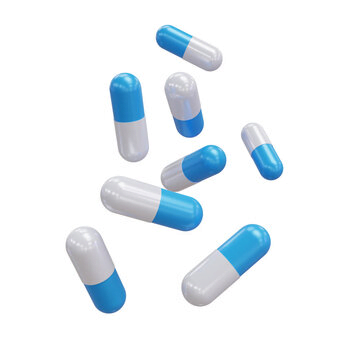
Reviews
There are no reviews yet.