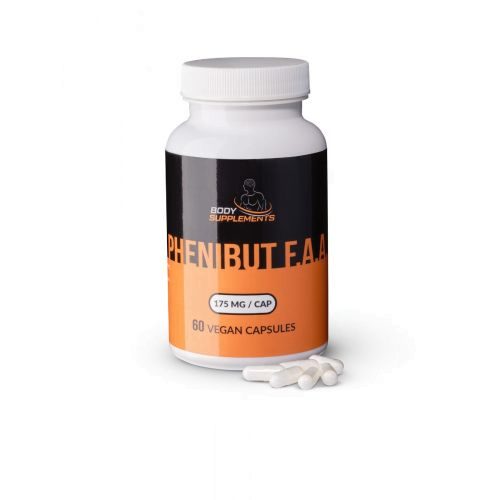
Body Supplements – Phenibut FAA Vega Caps 175mg (60 pcs)
€ 35,95
Phenibut FAA Vega Caps are a capsule-format research material associated with phenibut free amino acid, the free-acid form of beta-phenyl-gamma-aminobutyric acid. Raw Lab Chems presents this material exclusively for chemical identification, analytical characterization, solubility investigation, stability assessment, and reference-oriented laboratory research. The supplied specifications describe high purity and batch testing, but these claims require supporting analytical documentation.
For research use only. Not for human or veterinary use. Not for clinical, diagnostic, or consumptive applications.
Phenibut FAA Vega Caps 175mg (60 pcs)
Product Overview
Phenibut FAA Vega Caps are described as a capsule-format laboratory research material associated with phenibut free amino acid, commonly referred to as phenibut free acid.
The product is positioned for controlled analytical investigation involving chemical identity, physicochemical characterization, reference-oriented laboratory studies, and comparative evaluation of phenibut chemical forms.
Raw Lab Chems presents this material exclusively within a Research Use Only framework.
The supplied specifications describe a labeled capsule presentation, a stated high-purity standard, and batch-specific analytical verification.
However, the source does not include the underlying Certificate of Analysis, independent laboratory reports, or batch records needed to confirm these specifications.
Accordingly, the description distinguishes the stated product characteristics from independently verified analytical findings.
The scientific emphasis is on chemical classification, analytical reproducibility, laboratory documentation, and appropriate research-material handling.
Chemical Identity & Classification
Phenibut is a synthetic phenyl-substituted derivative of gamma-aminobutyric acid, commonly classified within the beta-phenyl-GABA chemical family.
The FAA designation identifies the free-acid form rather than the hydrochloride salt.
This distinction is relevant to chemical identification, analytical method selection, and comparative investigation of different material forms.
The supplied source identifies CAS 1078-21-3 as a research reference for phenibut FAA.
This identifier is reproduced as source-provided information and should be checked against the chemical identity recorded in the actual batch documentation.
No molecular formula, molecular weight, complete stereochemical specification, or validated formulation composition was supplied.
These details are therefore not presented as independently established product specifications.
Researchers seeking additional public chemical-reference information may consult PubChem, taking care to distinguish the free-acid compound from its hydrochloride salt.
Chemical similarity between forms does not establish identical solubility, physical characteristics, stability, or analytical behavior.
Chemical & Physical Characteristics
The supplied product is described as a vegan-friendly capsule-format material containing phenibut FAA.
Although the source identifies the capsule presentation as vegan-friendly, no capsule-shell composition or independent verification of that designation was provided.
The underlying chemical material is identified as the free-acid form of phenibut.
For laboratory investigations, this distinction may be relevant when comparing solubility, chemical stability, and analytical characteristics with those of the hydrochloride preparation.
The supplied source specifically identifies solubility testing and stability analysis as potential research contexts.
However, no quantitative solubility data, validated stability results, melting-point measurements, crystalline-form characterization, or hygroscopicity measurements were supplied.
These properties should be established using suitable analytical methods when relevant to a particular research project.
The capsule presentation may introduce additional formulation components that require consideration during sample characterization.
Researchers should distinguish observations concerning the complete capsule preparation from those attributable to the named chemical compound.
Purity & Analytical Verification
The supplied product specifications describe laboratory-verified purity of at least 99%, with the stated result characterized as batch-specific.
This is a source-provided claim rather than an independently confirmed analytical result.
No actual Certificate of Analysis, chromatogram, NMR spectrum, testing report, or numerical batch result accompanied the supplied material.
The stated purity threshold should therefore not be treated as verified for a particular batch without supporting documentation.
The source also identifies HPLC and NMR as methods used for chemical identity and purity verification.
High-performance liquid chromatography may support analytical investigations involving separation, assay development, and impurity characterization.
Nuclear magnetic resonance spectroscopy may support structural identification and examination of relevant chemical characteristics.
However, mentioning these techniques does not independently establish that they were performed on the specific material described here.
Researchers should review any available reports for sample identification, analytical method details, reference materials, results, limitations, and batch correspondence.
Quality Control & Batch Integrity
The supplied information states that each batch is accompanied by a Certificate of Analysis from third-party ISO-accredited laboratories.
It also describes batch tracking and analytical verification using HPLC and NMR.
No certificate, laboratory identity, accreditation number, accreditation scope, or batch-specific testing record was provided for independent review.
These statements therefore remain unverified supplier claims.
For reproducible laboratory research, useful quality records may include the material identifier, supplier, batch number, analytical results, receipt date, storage history, and relevant sample observations.
Where third-party accreditation is claimed, researchers should verify that the laboratory’s accreditation covers the applicable analytical activities.
Similarly, a Certificate of Analysis should be reviewed for its relationship to the actual batch and the tests reported.
A general statement about laboratory testing is not equivalent to a validated purity result or confirmed content-uniformity specification.
Documented traceability is especially important when comparing phenibut free acid with related chemical forms.
Safety, Handling & Laboratory Precautions
Phenibut FAA should be handled exclusively by appropriately trained personnel within controlled laboratory environments.
Institutional risk assessment should determine suitable protective equipment, containment, ventilation, access restrictions, contamination controls, and disposal procedures.
Phenibut is associated with pharmacological activity, and this characteristic is relevant to laboratory hazard assessment.
However, structural or pharmacological information does not establish that the supplied preparation is safe for personal use.
Researchers should consult applicable safety documentation before developing procedures for accidental exposure, spills, contamination, or environmental release.
The material should remain securely labeled and separated from food, beverages, and non-research environments.
Capsule packaging must not be interpreted as evidence of dietary-supplement approval, pharmaceutical authorization, or suitability for self-experimentation.
Packaging, Labeling & Storage
The supplied information recommends storage in a cool, dry environment at 2–8°C, with protection from light.
This temperature range is a source-provided recommendation. No supporting stability study, validated shelf-life specification, or environmental-exposure dataset was supplied.
The source also describes secure, temperature-controlled packaging for transportation.
No packaging-validation report, shipment-temperature record, or independent evidence of temperature control accompanied the material.
Accordingly, these statements should be treated as supplier-described practices rather than independently established performance guarantees.
Laboratory inventory records should preserve the phenibut FAA identifier, relevant batch information, receipt details, and observed storage conditions.
Where a particular investigation depends on temperature or moisture exposure, the suitability of the stated conditions should be assessed using available stability documentation.
Intended Research Use & Market Positioning
The supplied scientific context positions phenibut FAA for controlled in-vitro investigation, analytical chemistry, solubility testing, stability analysis, and reference-oriented research.
The material’s free-acid classification may be relevant to comparative studies involving phenibut chemical forms.
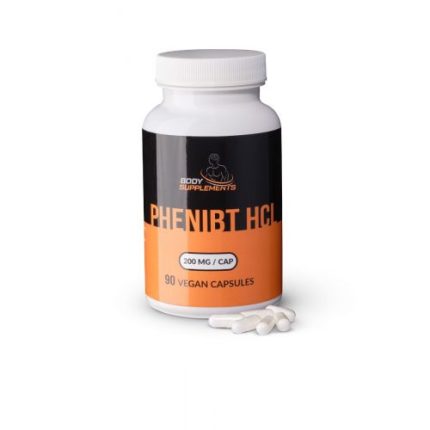
Raw Lab Chems also lists Phenibut HCL Vega Caps, which identifies a hydrochloride salt preparation.
The free-acid and hydrochloride forms should be distinguished during chemical identification and analytical documentation.
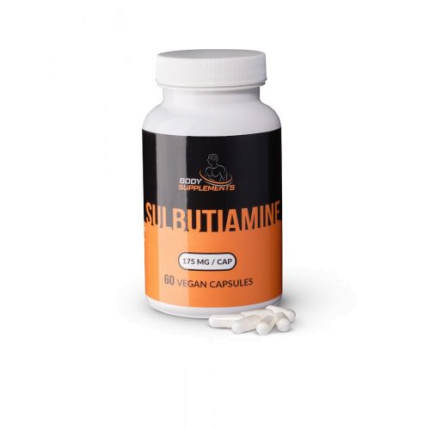
For additional catalog context, Raw Lab Chems lists Sulbutiamine Vega Caps, a chemically distinct synthetic research material associated with thiamine derivatives.
Sulbutiamine should not be treated as chemically or analytically interchangeable with phenibut FAA.
The supplied Phenibut FAA Vega Caps catalog reference identifies the product presentation discussed here.
These links provide comparative chemical and catalog context rather than evidence of equivalent purity, analytical performance, or regulatory status.
Ordering, Availability & Fulfillment
The supplied source describes worldwide shipping, discreet packaging, temperature-controlled handling, and customs-related documentation.
No current inventory information, carrier records, shipment-temperature validation, or independently verified customs documentation was supplied.
Consequently, no specific delivery speed, geographic availability, temperature-control performance, or customs-clearance guarantee is asserted.
Institutional procurement should consider material identification, supporting documentation, packaging integrity, transportation conditions, and applicable regulatory requirements.
Researchers and institutions should independently determine whether acquisition, possession, transfer, importation, exportation, and investigation of phenibut FAA are lawful in their respective jurisdictions.
Research-only labeling does not independently establish permission to acquire or transport a regulated substance.
Legal & Regulatory Disclaimer
For research use only. Not for human or veterinary use. Not for clinical, diagnostic, or consumptive applications.
Phenibut FAA is presented exclusively as an experimental laboratory research material. Its regulatory treatment may vary according to jurisdiction, chemical form, formulation, and intended research activity.
The supplied source states that phenibut does not qualify as a dietary ingredient under FDA regulations. This regulatory statement should be evaluated against current applicable requirements and should not be interpreted as a complete determination of legal status in every jurisdiction.
Researchers and institutions remain responsible for requirements governing acquisition, possession, storage, transfer, importation, exportation, laboratory investigation, and disposal.
No medical approval, dietary-supplement approval, universal legal status, or authorization for personal use is implied by this description.
You must be logged in to post a review.
Related products
IDRA-21 Powder
Price range: € 39,90 through € 298,75
Noopept Powder
Price range: € 74,75 through € 645,00
Reviews
There are no reviews yet.